

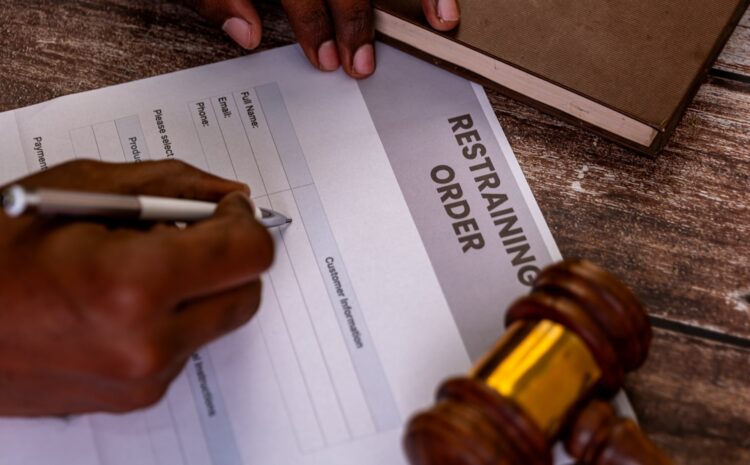
Civil harassment restraining orders are designed to protect individuals from serious harassment, threats, or violence by someone who is not a close family member or intimate partner. These cases often move quickly and can feel intimidating, especially for people who have never been to court before.
Understanding when a civil harassment restraining order applies and what happens at the hearing can help individuals make informed decisions and avoid common mistakes.
When a Civil Harassment Restraining Order Applies
In California, civil harassment restraining orders generally apply to situations involving neighbors, coworkers, acquaintances, former friends, or strangers. They are not used for disputes involving spouses, dating partners, or close family members, which fall under different restraining order laws.
A civil harassment restraining order may be appropriate when there is evidence of harassment, credible threats of violence, stalking, or repeated conduct that seriously alarms or disturbs another person. Ordinary disagreements, isolated arguments, or minor annoyances typically do not meet the legal standard.
What Evidence Matters Most
Courts focus on evidence that shows a pattern of behavior or a credible threat. This may include threatening messages, repeated unwanted contact, surveillance behavior, or witness testimony. Written communications such as texts, emails, or social media messages often play a key role.
Judges look for specific facts rather than general statements. Clear documentation, dates, and examples are far more persuasive than broad claims or emotional arguments.
Temporary Orders and the Court Hearing
Many cases begin with a request for a temporary restraining order. If granted, the temporary order provides short term protection until a full hearing can be held. The hearing is typically scheduled within a few weeks.
At the hearing, both sides have an opportunity to present evidence and testimony. The judge evaluates whether the legal standard for civil harassment has been met and decides whether to issue a longer term restraining order.
What Happens at the Hearing
Civil harassment hearings are often brief but highly consequential. The judge may ask questions, review submitted evidence, and hear testimony from both parties. Even though the setting may feel informal, the rules of evidence and procedure still apply.
Because the court has limited time, presenting a clear and organized case is critical. Judges must decide based on the evidence presented at the hearing, not on information that is omitted or poorly explained.
Common Mistakes When Representing Yourself
One of the most common mistakes is assuming the court will fill in the gaps or understand the situation without clear proof. Failing to organize evidence, bringing irrelevant materials, or focusing on personal grievances rather than legal standards can weaken a case.
Another frequent issue is misunderstanding what qualifies as civil harassment. When claims do not meet the statutory requirements, petitions may be denied even when conflict clearly exists.
Why Legal Guidance Can Make a Difference
Civil harassment cases can have lasting consequences, including restrictions on contact, movement, and firearm ownership. Legal guidance helps ensure the correct type of restraining order is requested, evidence is properly presented, and procedural requirements are met.
Whether someone is seeking protection or responding to a request, understanding the process and potential outcomes is essential. Proper preparation can significantly affect how the court evaluates the case and what orders are ultimately issued.