

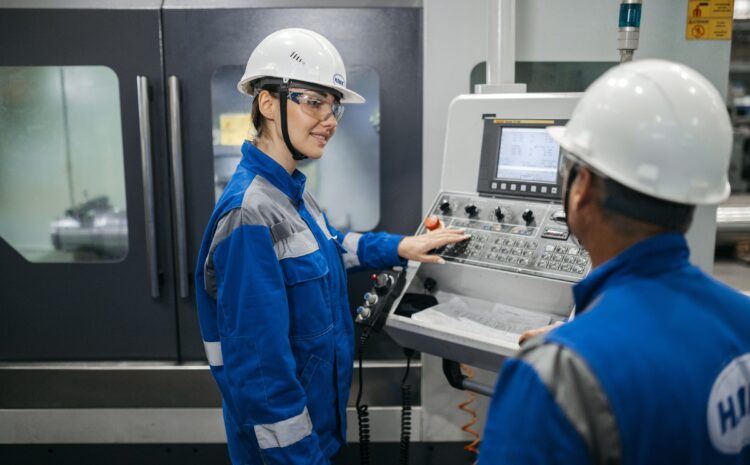
Product liability disputes sometimes involve injuries caused by products used in specialized industries or professional settings. When a user has extensive knowledge of a product’s potential dangers, questions may arise about whether the manufacturer was required to provide additional warnings.
California law recognizes the sophisticated user defense in certain failure-to-warn claims. Courts examine the user’s experience, the risks associated with the product, and whether the dangers were known or reasonably should have been known to someone with the user’s level of expertise.
What the Sophisticated User Defense Means
The sophisticated user defense may protect manufacturers from failure-to-warn liability when a product’s dangers were known or should have been known to a sufficiently knowledgeable user. The defense recognizes that certain professionals possess specialized knowledge about risks associated with their work.
Unlike claims involving ordinary consumers, these disputes often require courts to examine industry training, professional experience, and established safety practices. The defense does not automatically apply simply because a product was used in a professional environment.
How Courts Determine Whether a User Is Sophisticated
Courts examine whether the user possessed, or reasonably should have possessed, specialized knowledge concerning the product’s particular risks. Relevant factors may include professional training, industry experience, certifications, and familiarity with the materials or equipment involved.
The analysis focuses on knowledge of the specific danger rather than general professional competence. A person may have extensive experience using a product without necessarily understanding every hazard associated with its use.
Why Knowledge of the Product’s Risks Matters
The sophisticated user defense depends on whether the relevant danger was known or reasonably should have been known to the user. Courts consider whether the risk was commonly understood among similarly trained or experienced individuals.
Evidence may include industry publications, safety standards, training materials, and expert testimony. These materials can help establish what a reasonably knowledgeable user in the relevant field should have understood about the product’s dangers.
How Courts Evaluate the Timing of Knowledge
Courts generally evaluate the user’s knowledge at the time of the alleged injury. Information discovered after an accident does not automatically establish that the user should have understood the danger beforehand.
This timing requirement can be important when scientific understanding, industry practices, or product information changes over time. Courts examine the knowledge reasonably available to sophisticated users when the injury occurred.
When the Defense May Not Apply
The defense may be unavailable when the user lacked the specialized knowledge necessary to recognize the particular danger. A manufacturer’s assertion that someone was experienced or professionally trained does not, by itself, establish that the relevant risk should have been understood.
The defense also does not eliminate every potential product liability claim. It principally concerns the duty to warn, and separate allegations involving manufacturing defects or defective product design may require different legal analysis.
How Courts Resolve Sophisticated User Defense Claims
When manufacturers raise the sophisticated user defense, courts examine evidence concerning the product, the alleged hazard, and the knowledge expected of users in the relevant profession. Expert testimony and industry documentation may play important roles in resolving disputed issues.
If the defense is established, it may prevent recovery based on an alleged failure to warn of the particular danger. If the requirements are not satisfied, the court may continue evaluating the manufacturer’s warning obligations and the remaining elements of the product liability claim.