

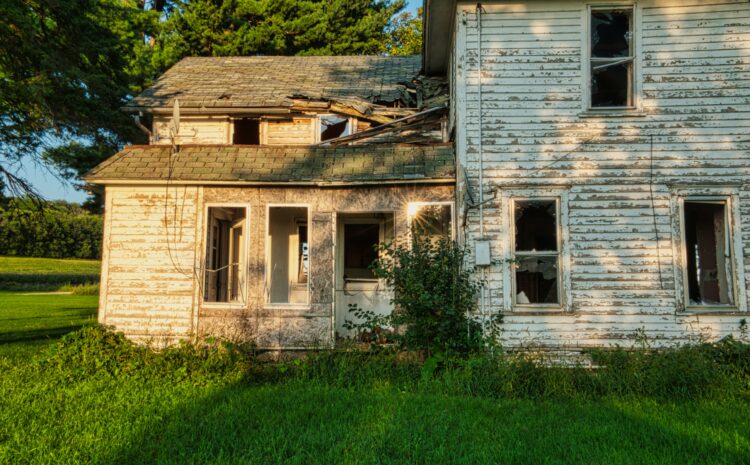
Waste claims involving real property can arise when someone with possession or control of property allegedly damages it in a way that affects another person’s ownership interest. These disputes may involve physical damage, deterioration, removal of improvements, or other conduct that reduces the property’s value.
In California, courts may examine the parties’ respective interests in the property, the nature of the challenged conduct, and the effect of that conduct on the property. A significant issue can be whether the alleged waste caused substantial injury to the ownership interest or materially reduced the property’s value.
How Courts Examine the Property Interests
Waste claims often involve parties who hold different interests in the same real property. Courts may examine who owns the property, who possesses or controls it, and the nature of the interests affected by the alleged conduct.
The relationship between those interests can help define the dispute. California law has historically used waste claims to protect ownership interests against harmful conduct involving the property.
How the Condition of the Property Becomes Relevant
The condition of the property before and after the alleged waste can become important. Courts may examine the physical changes to the property and whether those changes caused lasting damage.
The particular property involved can affect this analysis. Conduct that significantly harms one type of property may have a different effect on another, making the nature and condition of the real estate relevant to the dispute.
How Courts Evaluate Damage to the Property
Waste generally involves more than minor or temporary changes to real property. Courts may examine whether the conduct caused substantial injury or depreciation affecting the property interest at issue.
Examples can include significant physical damage or other alterations that reduce the value of the property. California Courts similarly describes waste in the landlord-tenant context as major damage that makes a rental property worth less.
How Acts and Omissions Can Become Relevant
A waste dispute may involve affirmative conduct that damages property, but the circumstances can also involve a failure to fulfill responsibilities associated with the property. Courts may examine what occurred and how that conduct affected the real estate.
The focus can therefore extend beyond a single damaging act. The overall condition of the property and the consequences of the defendant’s conduct may help determine whether an ownership interest was harmed.
How Courts Examine the Effect on Property Value
The financial effect of the alleged damage can become a significant part of a waste claim. Courts may consider whether the conduct substantially depreciated the value of the property or otherwise caused lasting injury to an ownership interest.
Evidence concerning the property’s condition and the extent of the damage may help establish its financial impact. Depending on the circumstances, repair costs and other evidence of property damage may also become relevant.
Why Real Property Waste Claims Matter
Waste claims can protect property interests when someone with access to or control over real estate allegedly causes substantial harm to it. These disputes can arise in landlord-tenant relationships and other situations involving different interests in the same property.
Understanding these claims can help property owners and other interested parties recognize how damaging conduct may affect their respective rights. The parties’ interests, the condition of the property, and the extent of the resulting damage can all become significant.