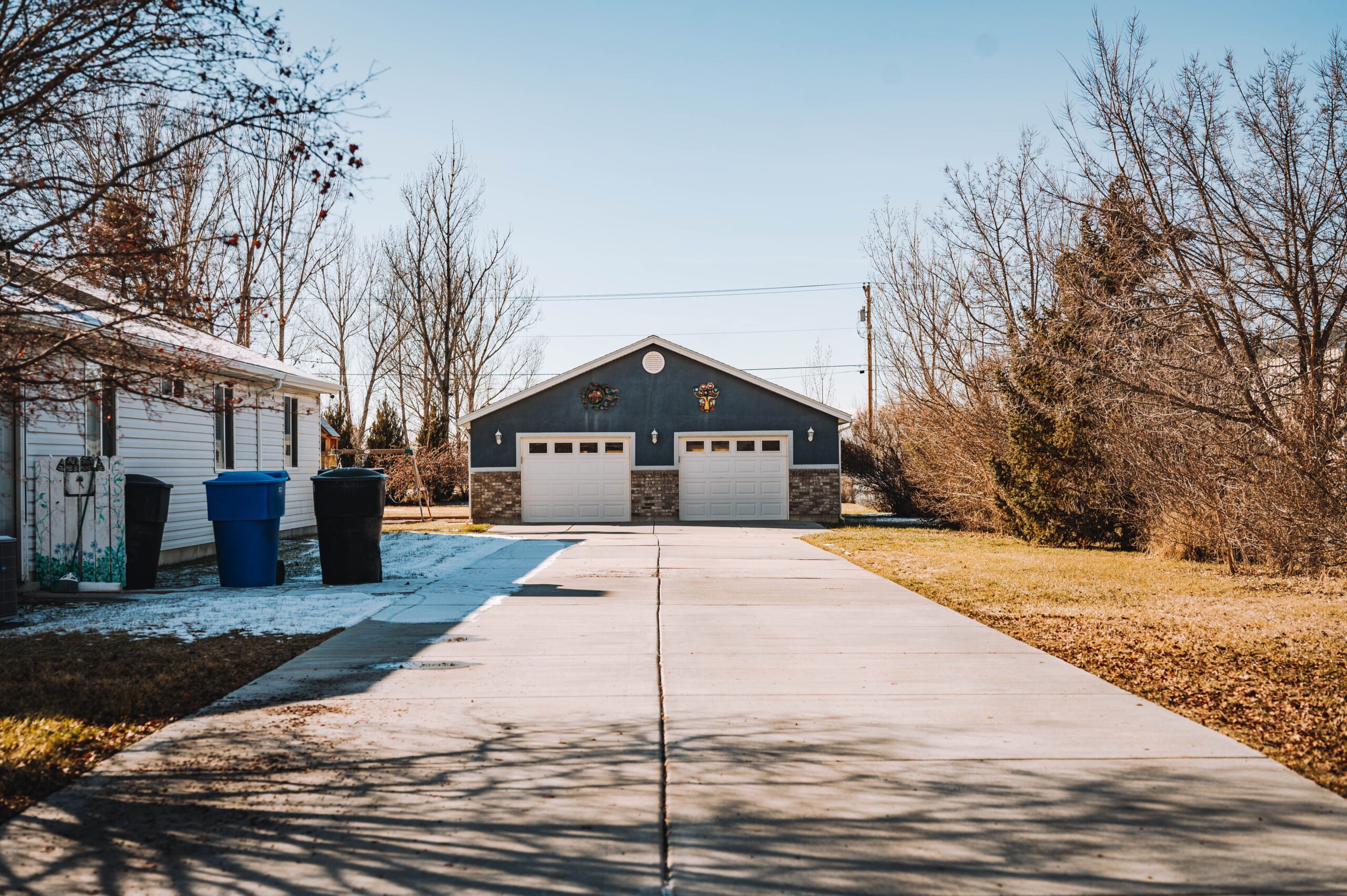

Shared driveways allow neighboring property owners to access their homes or businesses through a common passageway. Although these arrangements can provide convenient access, disagreements may arise over repairs, maintenance expenses, property damage, or the responsibilities of each owner.
In California, shared driveway disputes often involve easement rights, property agreements, and questions about who must maintain the driveway. Courts examine recorded documents, applicable property laws, and the circumstances of the dispute to determine each party’s legal obligations.
Understanding Shared Driveway Rights
A shared driveway may be governed by an easement, a written agreement, or another property arrangement. These rights can allow one property owner to use a driveway located partially or entirely on neighboring land.
California courts examine deeds, recorded easements, and property agreements to establish the scope of these rights. The specific arrangement can affect who may use the driveway and what maintenance responsibilities accompany that use.
Determining Maintenance Responsibilities
Disagreements may arise when neighboring owners cannot agree on who should repair cracks, address drainage problems, or maintain the driveway’s surface. Responsibility may depend on the terms of an agreement and the nature of the easement.
Under California Civil Code Section 845, certain private right-of-way easements carry maintenance obligations for their owners or users. When an agreement does not establish a different arrangement, courts may consider the statutory requirements for sharing reasonable maintenance costs.
Resolving Disputes Over Repair Costs
Shared driveway repairs can become contentious when one property owner believes another should contribute more toward the expenses. These disputes may involve resurfacing, drainage improvements, or repairs necessary to preserve access.
Courts may examine the condition of the driveway, the necessity of the repairs, and how the parties use the shared access area. Depending on the applicable agreement and law, maintenance expenses may be allocated according to the parties’ respective use and responsibilities.
Addressing Damage and Neglected Maintenance
A property owner may claim that a neighbor’s activities caused excessive wear or damage to a shared driveway. Heavy vehicles, construction work, or improper drainage can create conditions that require additional repairs.
Courts may review photographs, maintenance records, contractor assessments, and evidence identifying the source of the damage. When neglect or improper use contributes to the dispute, the court considers whether a legal basis exists for assigning responsibility or awarding relief.
Reviewing Easement Agreements and Property Records
Written easement agreements can establish important rules concerning driveway maintenance, repairs, and permitted uses. Some agreements specify how expenses must be divided or require neighboring owners to cooperate before making improvements.
Courts interpret these documents alongside deeds, property surveys, and other relevant records. When an agreement is unclear or incomplete, applicable California property laws may help determine the parties’ rights and obligations.
How Courts Resolve Shared Driveway Disputes
When a shared driveway maintenance dispute reaches court, the judge may examine property documents, repair estimates, photographs, and evidence concerning each owner’s use of the driveway. The central issues often involve maintenance obligations, reasonable expenses, and compliance with existing property rights.
Depending on the circumstances, a court may determine how maintenance costs should be shared or order appropriate relief for violations of established rights. The outcome depends on the applicable easement arrangement, the evidence presented, and California property law.