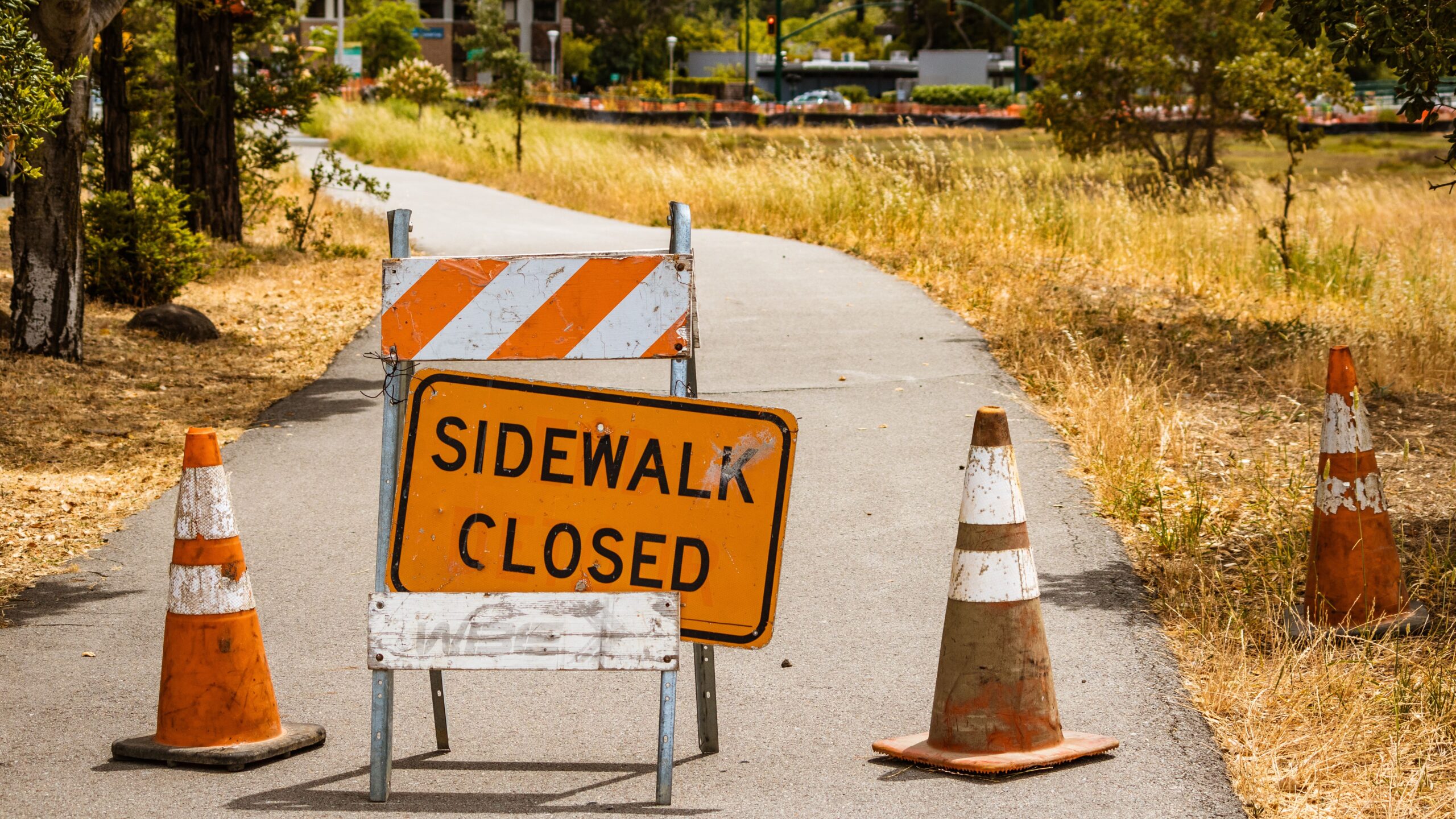

Injuries occurring on public property can raise questions about whether a government entity is responsible for unsafe conditions. Accidents involving damaged sidewalks, poorly maintained roads, or hazardous public facilities may lead to disputes over the condition of the property and the circumstances surrounding an injury.
California law establishes specific rules for determining when public entities may be held liable for dangerous property conditions. Courts examine the alleged hazard, the government’s responsibility for the property, and whether the applicable legal requirements have been satisfied.
Understanding Dangerous Conditions of Public Property
California Government Code Section 835 provides a basis for holding public entities liable for injuries caused by dangerous conditions of public property. A dangerous condition generally involves a substantial risk of injury when the property is used with due care in a reasonably foreseeable manner.
Courts consider the property’s physical characteristics, its intended use, and the circumstances surrounding the alleged hazard. Not every imperfection or unsafe situation qualifies as a dangerous condition under California law.
Determining Whether a Hazard Was Foreseeable
A central issue in these cases is whether the property presented a substantial risk of injury during reasonably foreseeable use. Conditions involving uneven pavement, obstructed walkways, or hazardous roadway features may raise questions about public safety.
California courts evaluate the nature of the condition and how individuals would ordinarily encounter it. The analysis may include visibility, surrounding circumstances, and whether the alleged danger created more than a minor or trivial risk.
Evaluating Government Knowledge of the Condition
Government liability may depend on whether a public employee negligently or wrongfully created the dangerous condition or whether the public entity had actual or constructive notice of the hazard. These alternative grounds are addressed under Government Code Section 835.
Courts may examine maintenance records, prior complaints, inspection reports, and the length of time the condition existed. Under Section 835.2, constructive notice generally requires evidence that the condition existed long enough and was sufficiently apparent to have been discovered through reasonable care.
Examining the Connection Between the Hazard and Injury
Establishing that public property contained a dangerous condition does not automatically establish liability. The injured party must also demonstrate that the condition proximately caused the alleged injury.
Courts review accident reports, photographs, witness statements, and other relevant evidence to evaluate this connection. Disputes may arise when several circumstances contributed to an accident or when the public entity challenges the relationship between the condition and the resulting harm.
Considering Government Defenses and Immunities
Public entities may raise statutory defenses or immunities when responding to dangerous condition claims. For example, Government Code Section 830.6 provides design immunity when specific requirements involving an approved plan or design are satisfied.
Courts may also consider whether an alleged defect was too trivial to constitute a dangerous condition under Section 830.2. These provisions can affect the outcome even when an injury occurred on property owned or controlled by a government entity.
Resolving Dangerous Condition Claims
When evaluating dangerous condition disputes, California courts consider the property’s condition, the evidence of notice or employee conduct, the cause of the injury, and any applicable statutory defenses. Each issue contributes to determining whether public entity liability may exist.
Depending on the circumstances, a claim may proceed toward settlement or trial, or it may be resolved through pretrial motions. Understanding these considerations helps explain how California courts evaluate injuries involving public roads, sidewalks, buildings, and other government property.